Where the Worlds Meet
The RA Collection
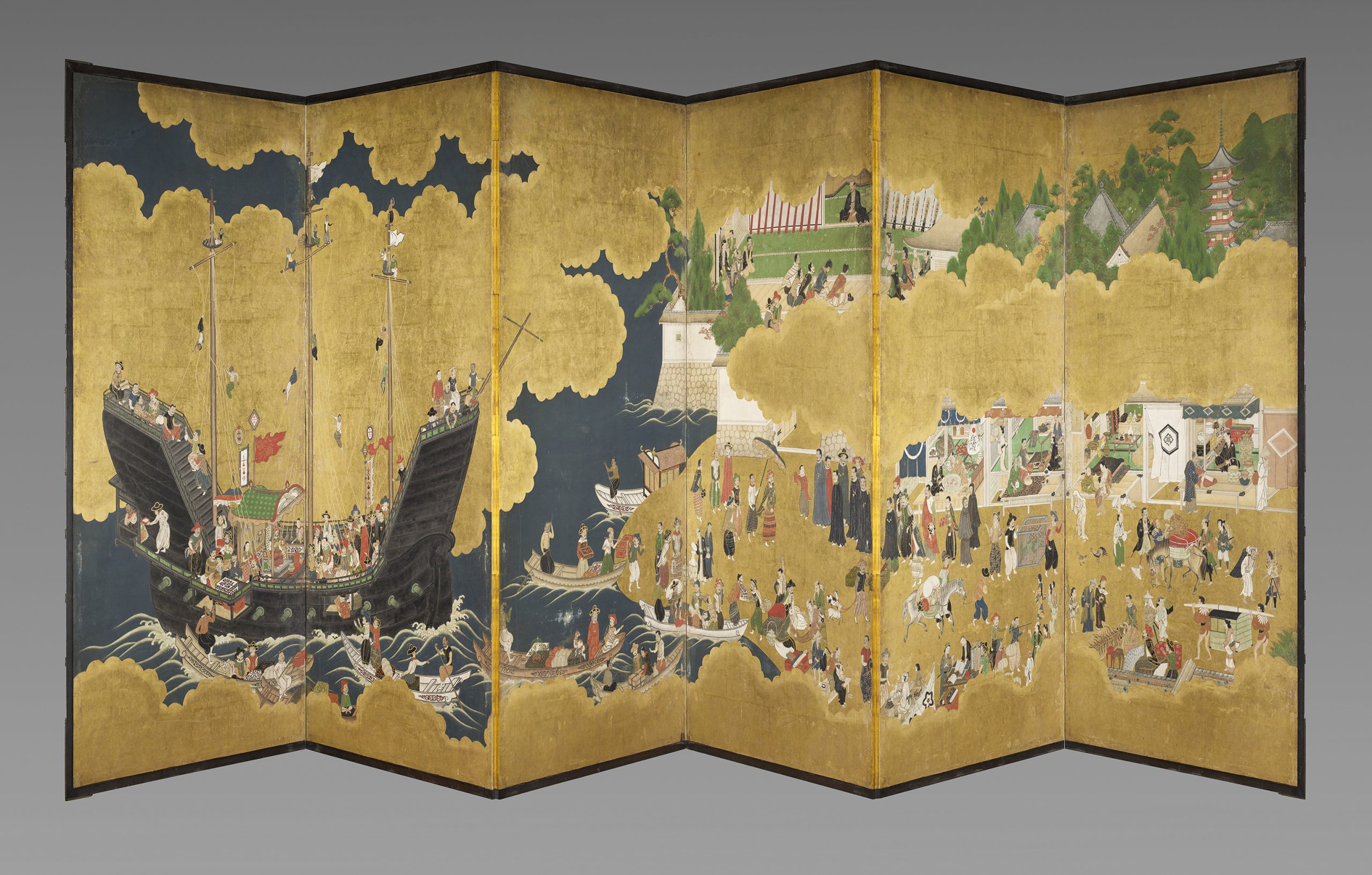
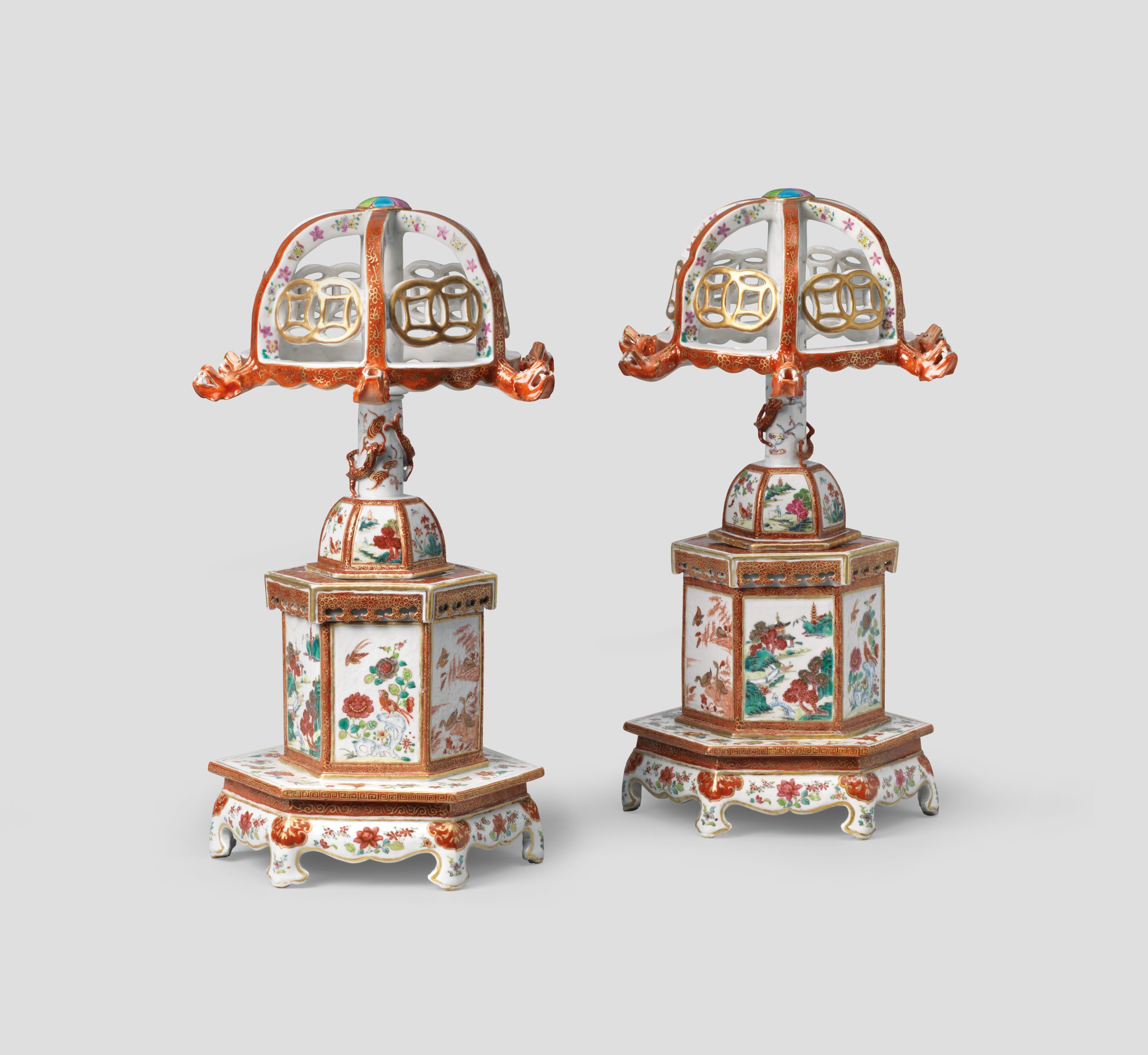
Drawing on objects from the RA Collection, Where Worlds Meet explores the stories, journeys and relationships that emerge between different cultures. The exhibition offers a perspective on the circulation of objects, people and ideas between Asia and Europe, revealing the historical, political, diplomatic and commercial contexts that shaped them.
About the Exhibition
For a long time, so-called “Asian art” was presented as something exotic and detached from its context. In contrast, this exhibition approaches objects through their multiple lives: from commission and production to circulation, use, repair, resale and collecting, tracing the transformations of their value and meaning over time.
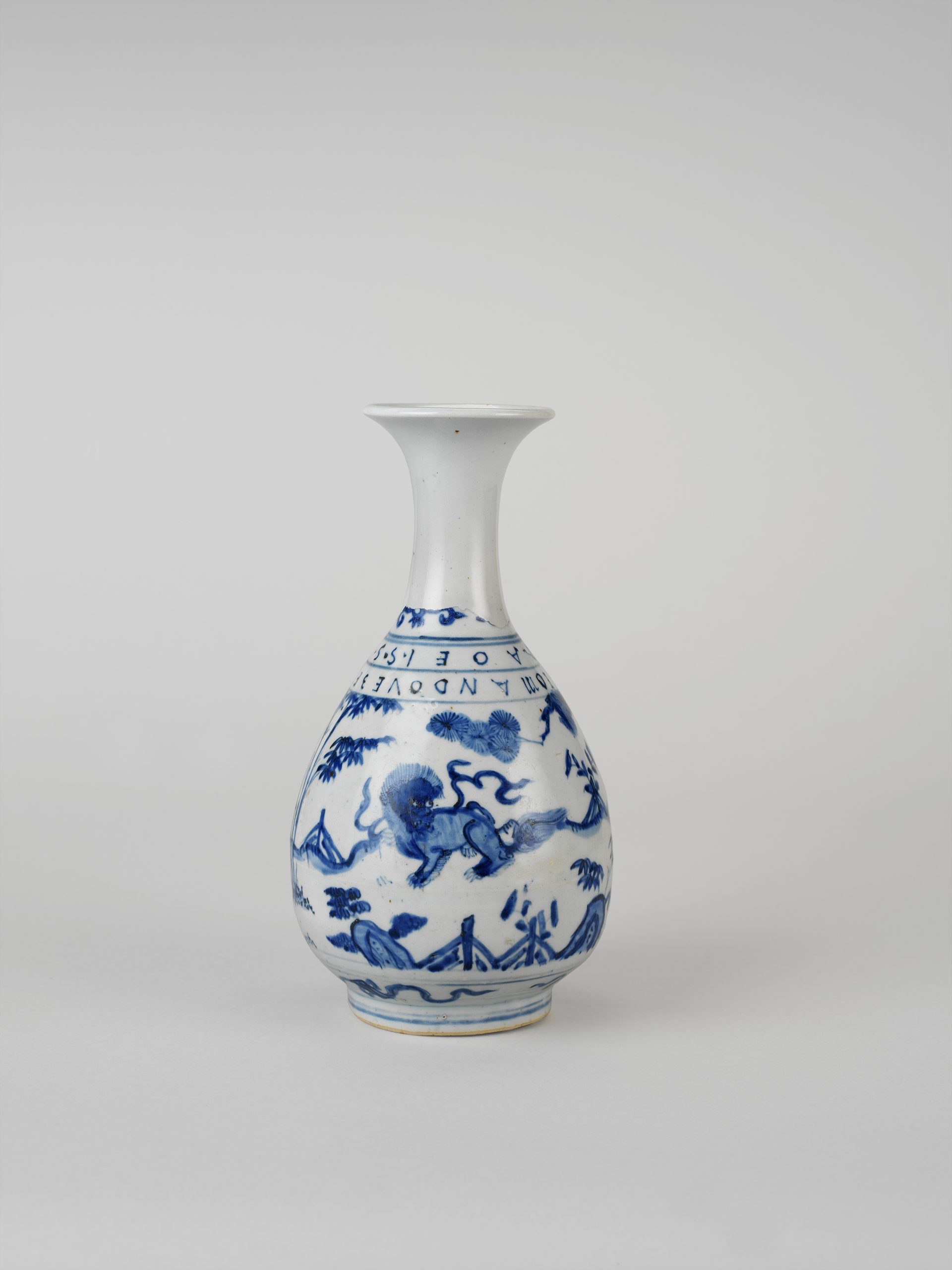
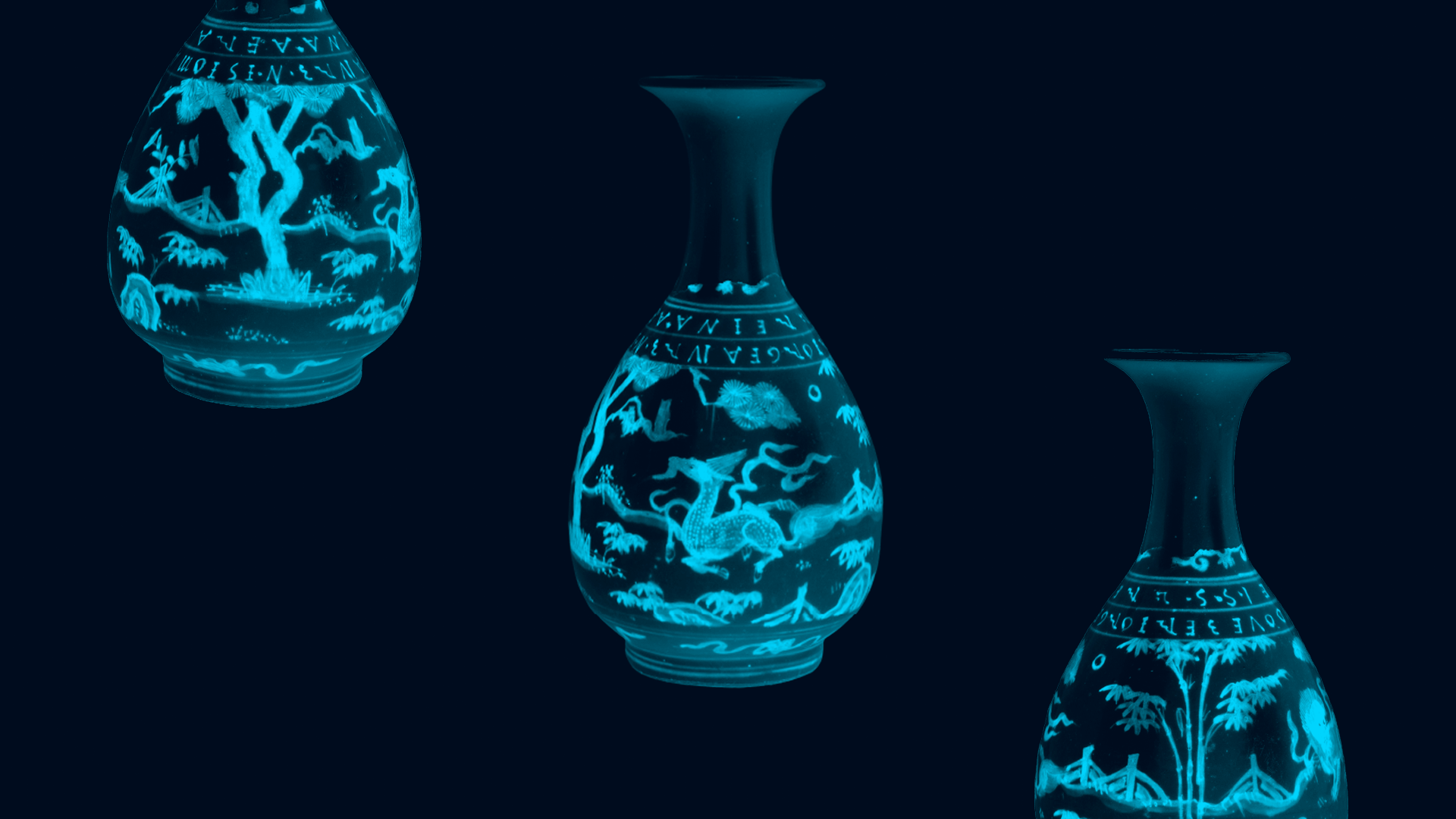
The exhibition is organised around three complementary sections: the uses and contexts of objects; their routes of circulation and places of production; and the history of the RA Collection itself, questioning the choices and criteria that shaped its formation. One of the highlights of this final section is the first-ever reunion in an exhibition of the bottle commissioned in 1552 by the merchant Jorge Álvares and two of its “sisters”, among the nine known examples.
The exhibition also brings together a remarkable group of rare artefacts and objects of great historical significance, generously loaned by various institutions. These loans make it possible to present objects that are rarely seen together, enriching the exhibition experience and offering new perspectives on the themes and stories explored throughout the exhibition.
The dialogue between objects and historical documents is another central theme. Letters, treaties, navigation licences and account books, written in different languages, are presented alongside porcelain, screens and lacquerware, helping to recover the contexts in which these objects circulated. The exhibition also highlights eight historical figures, including empresses, sultanas, merchants, imperial officials, a Persian poet and an Armenian trader, whose lives intersected with the objects on display.
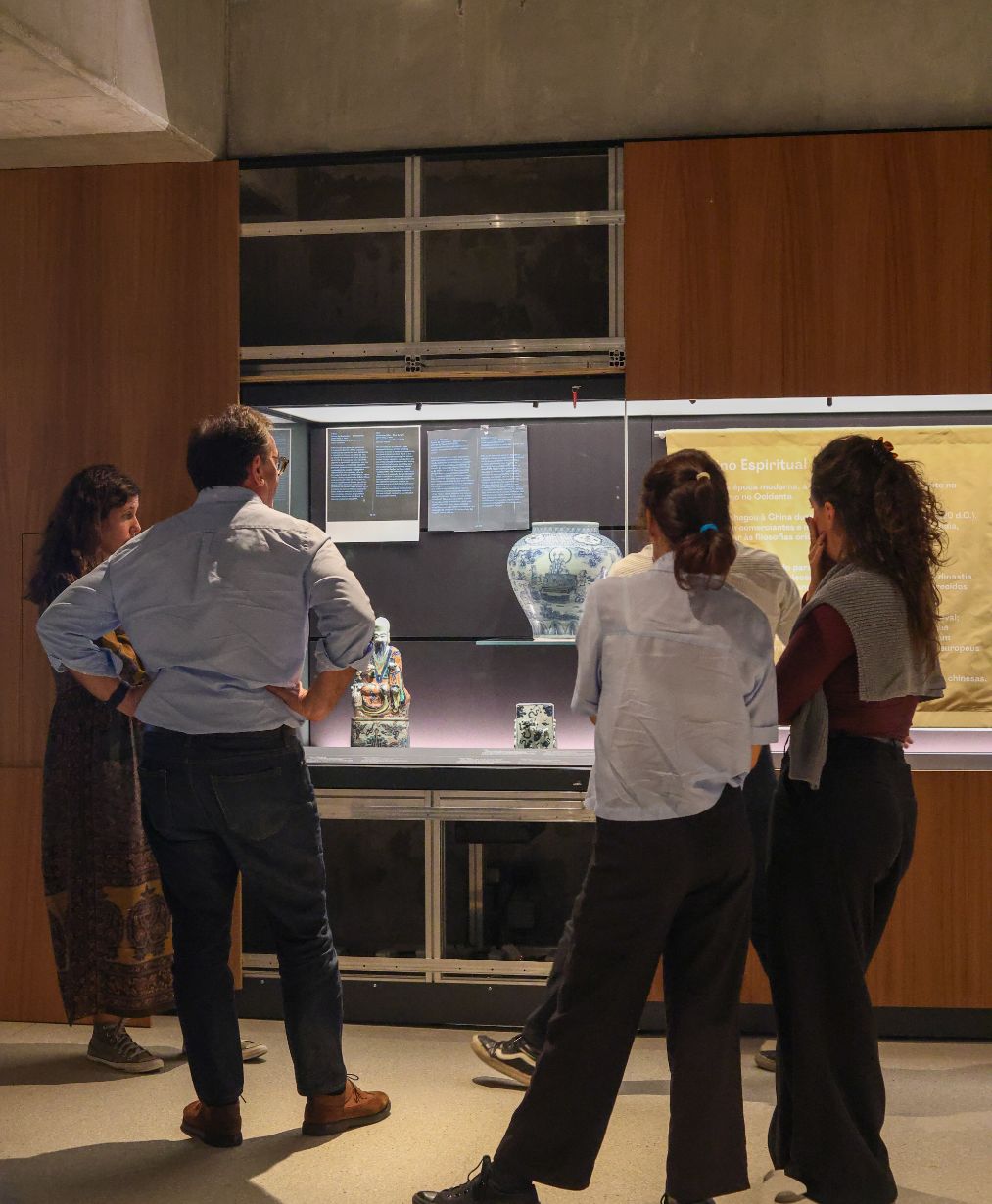
Recognising that encounters between different worlds were also marked by appropriation, violence and conflict, Where the Worlds Meet seeks to contextualise these relationships in all their complexity, adding a new chapter to the lives of these objects: their encounter with visitors.
Curated by: Professor Jorge Santos Alves
Selection of Works in the Exhibition